The Discovery That Shaped a Town
Cheltenham's identity as a spa town began in 1716, when mineral springs were discovered on the site now occupied by the Cheltenham Ladies' College. The waters, rich in minerals, quickly attracted visitors seeking relief from ailments. Captain Henry Skillicorne, a former privateer turned entrepreneur, recognised the commercial potential and, from 1738, built a pump and an elaborate well-house complete with a ballroom and billiard room to entertain the growing number of visitors.
The town's reputation was cemented in 1788, when King George III visited with Queen Charlotte and the royal princesses. Royal patronage transformed Cheltenham into one of England's most fashionable health resorts, drawing the wealthy and aristocratic from across the country.
Joseph Pitt's Vision for Pittville
By the early 19th century, Cheltenham was thriving, but one local developer saw room for expansion. Joseph Pitt envisioned a new spa quarter to the north of the town, covering 100 acres with its own Pump Room, walks, rides, gardens, and up to 600 houses. Development of Pittville began in 1824 and 1825, with the landscape gardener Richard Ware laying out the surrounding parkland.
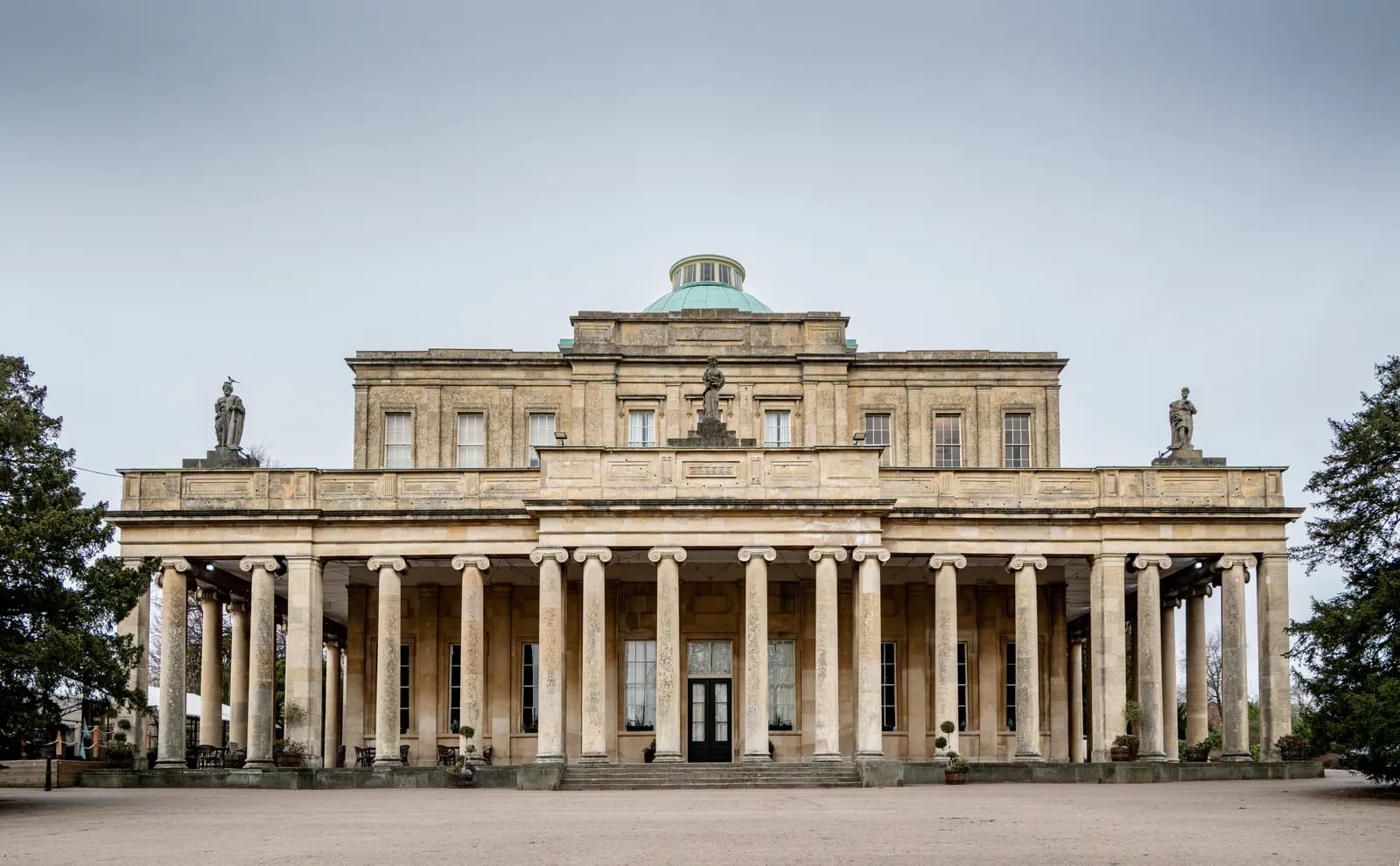
The centrepiece of Pitt's scheme was the Pittville Pump Room, designed by the architect John Forbes. The building opened on 20 July 1830 and remains one of the finest examples of Regency architecture in the town. Its grand columns and symmetrical frontage were intended to rival the existing spa facilities and attract a wealthy clientele to the new suburb.
From Private Estate to Public Park
Pittville Park was originally reserved for residents and spa subscribers, maintaining an air of exclusivity. That changed on 25 April 1894, when Cheltenham Borough Council purchased the Pittville Estate and formally opened the park to the public. Today, Pittville Park provides 33 hectares of parkland, including an ornamental lake with elegant bridges dating from 1827 and a separate boating lake.
The park offers a rare combination of formal Regency landscaping and open recreational space, making it one of the most visited green areas in the town.
The Pump Room Today
The Pittville Pump Room continues to operate as a cultural and heritage venue. The spa waters can still be sampled on site, preserving a direct link to the town's origins. The building is managed by The Cheltenham Trust, a charity established in 2014 to oversee historic cultural and leisure buildings in the town.
The Pump Room also serves as a venue for concerts, weddings, and community events, ensuring that the building remains active rather than merely preserved. Its role during the annual Cheltenham Music Festival, in particular, draws audiences from well beyond the town.
Cheltenham's Regency Legacy
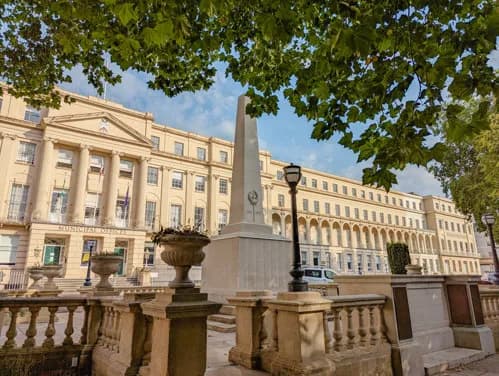
Cheltenham is widely regarded as the most complete Regency town in England, and the Pittville Pump Room is a key part of that architectural heritage. The surrounding suburb retains much of its original 19th-century character, with Regency and Victorian housing stock that reflects the ambitions of Joseph Pitt's original development.
While the town is now better known for the Cheltenham Festival, its literary connections, and its thriving retail and restaurant scene, the spa tradition remains embedded in its built environment. The Pittville Pump Room stands as the most visible reminder of why the town exists in its current form.